

Tips on Preserving the Quality and Appearance of Floors and Walls
When a customer welcomes you into their home or business, they expect you to treat it with respect. Maintaining the pristine appearance of a client’s space is just as critical as completing the primary service they hired you to perform. Each touch, spill, or mishap could damage floors and walls, tarnishing your reputation and causing friction with your customers.
Fortunately, there are a few simple ways to preserve the quality and appearance of floors and walls. Here are some effective tips to consider:
Use Floor Protection Products
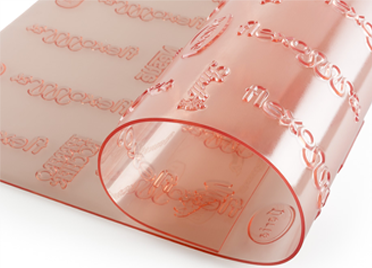
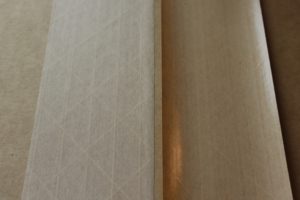
Floor protection board is the best way to keep a client’s floors safe from spills and accidental damage. You can also use reinforced kraft papers to protect walls and baseboards. These materials hold up against the rigors of daily use and are less likely to tear than standard kraft paper or cheap plastic tarps.
Apply Painter’s Tape
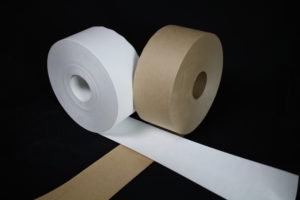
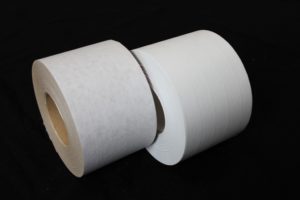
A few well-placed strips of painter’s tape will hold the floor protection board in place and reduce the chances of a slip or fall. Painter’s tape also seals off the seams of your kraft paper and prevents spilled materials from seeping in between rolls of paper.
Opt for Shoe Covers
Wearing shoe covers may not be your first choice, but it is a simple and effective way to protect floors. Shoe covers will prevent scuff marks, which is particularly important when working on sensitive floors like hardwood or polished stone.
Clean Up as You Go
Don’t wait until the end of the job to start cleaning up. As you progress through each work area, keep your space clean.
Maintaining a clean workspace reduces the risk of accidents, and it also makes it easy to identify any damage before the last day of the job. If you discover any scuffs, dents, or other damage caused by your team, you’ll have time to make things right.
Protect Your Reputation With Holland Manufacturing
At Holland Manufacturing, we provide top-quality floor and wall protection products. From carpet film to floor and wall protection boards, we have cost-effective but durable options you can use to deliver for your customers and preserve your brand reputation.
Contact Holland Manufacturing today to learn more. You can call us at (800) 354-0492 or submit a quote request online.